What Makes King Hills Worth More: The Evidence Behind the Price Gap
Anyone who has spent time comparing property listings across this part of the UK will have noticed the pattern quickly enough. Homes in King Hills tend to sell for more — sometimes considerably more — than superficially similar properties in adjacent areas. Buyers occasionally baulk at the difference. Vendors, naturally, are less troubled by it. But what does the gap actually reflect? And is it justified by anything more substantial than reputation and postcode pride?
The short answer, supported by a close reading of recent Land Registry data and conversations with local residents and estate professionals, is yes — emphatically so. The King Hills premium is not a quirk of perception. It is the measurable outcome of a specific combination of factors that, taken together, make this community genuinely distinctive.
The Numbers in Context
Average sale prices in King Hills have outpaced those in several comparable postcodes over each of the past five years. Whilst precise figures shift with market conditions, the differential has remained broadly consistent at between eight and fifteen per cent, depending on property type. Detached and semi-detached homes show the widest gap; flats sit closer to parity, though still above the local average.
What is particularly telling is the velocity of sales. Properties in King Hills spend fewer days on the market than the regional mean, and the ratio of asking price to achieved price is among the highest in the area. These are not vanity statistics. They indicate genuine, competitive demand — buyers who have done their research and are prepared to pay accordingly.
School Performance and Catchment Confidence
No single factor generates more buyer motivation than school catchment. King Hills benefits from proximity to several consistently well-regarded primary and secondary institutions, a number of which have maintained strong Ofsted ratings across successive inspections. For families relocating from other parts of the country — or simply moving up the property ladder with children in tow — this matters enormously.
Estate agents operating in the area report that school catchment is raised in the majority of family buyer enquiries, frequently before questions about room dimensions or transport links. The confidence that comes with living within a reliable catchment area translates directly into willingness to pay, and that willingness is reflected in the data.
It is worth noting that this dynamic reinforces itself. Stable demand from families with school-age children sustains property values, which in turn attracts further investment in the local environment — a cycle that has served King Hills well over the past decade.
Architectural Character and Housing Stock
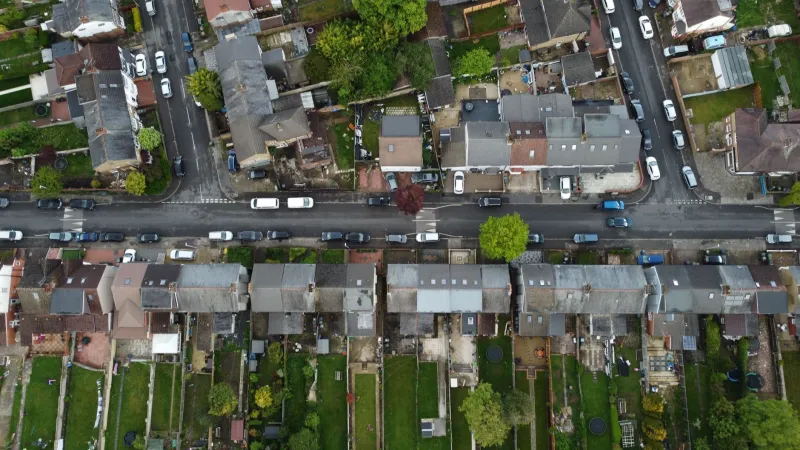
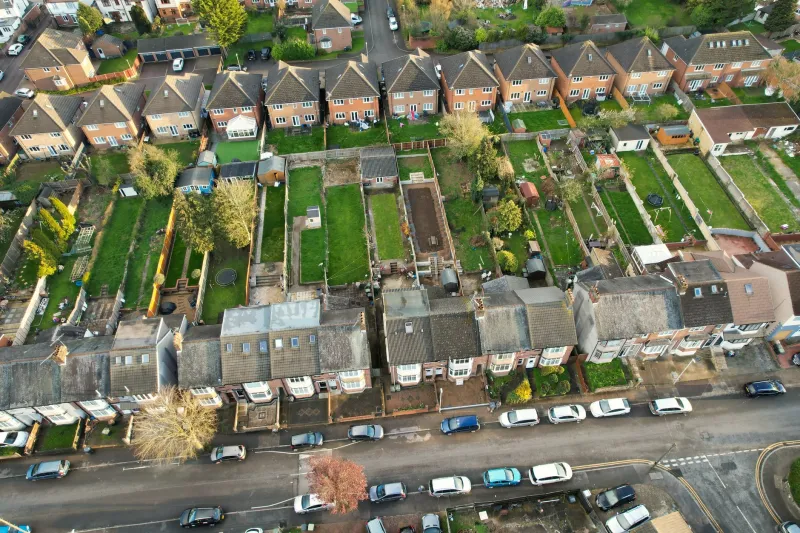
King Hills is not architecturally uniform, but it does possess a coherence of character that many neighbouring areas lack. The housing stock is predominantly composed of well-maintained inter-war and post-war properties, interspersed with more recent developments that have, by and large, been built to complement rather than contradict the existing streetscape. This consistency matters to buyers more than is often acknowledged.
Research into buyer psychology consistently shows that perceived neighbourhood quality — including the visual harmony of streets and the maintenance standards of surrounding homes — influences purchase decisions and price expectations. King Hills scores well on both counts. Residents take evident pride in their properties, and the result is a built environment that sustains its appeal across market cycles.
One long-term resident, who purchased her home on one of the area's quieter residential streets nearly two decades ago, put it plainly: "When I was looking, I visited a dozen areas. King Hills just looked cared for. You could tell people wanted to be here."
Proximity to Amenities and the Convenience Premium
Accessibility to everyday services is another quantifiable driver of value. King Hills offers residents practical proximity to retail, leisure, healthcare, and transport infrastructure that many neighbouring postcodes cannot match to the same degree. The concentration of independent businesses in the local centre — cafés, specialist retailers, professional services — adds a layer of amenity that distinguishes the area from more generic suburban environments.
This convenience premium is well documented in property economics. Buyers consistently value the ability to meet daily needs without reliance on a car, and they price that value into their offers. In King Hills, the walkability of the local centre, combined with reasonable access to major road and rail routes, creates a practical case for the premium that stands independent of sentiment.
Community Cohesion as a Tangible Asset
Perhaps the least quantifiable — but no less real — component of the King Hills premium is the quality of community life itself. The area has an active residents' association, a calendar of local events that draws consistent participation, and a network of informal connections that newcomers frequently cite as a decisive factor in their decision to buy here.
This cohesion is not incidental. It contributes directly to the low turnover of properties in certain streets, the maintenance standards that support kerb appeal, and the collective advocacy that has historically shaped planning decisions in the area's favour. Buyers are not merely purchasing a home; they are buying membership of a functioning community — and that, in a housing market where social fragmentation is increasingly common, commands a genuine premium.
A retired professional who moved to King Hills from a larger city three years ago described the experience in terms that will resonate with many: "I'd been used to knowing nobody on my street. Here, within six months, I knew half the road. That's not nothing. That's actually quite a lot."
What the Premium Tells Prospective Buyers
For those weighing up whether the King Hills price differential is justified, the evidence suggests a clear conclusion. The gap between this community and its neighbours is not the product of marketing or inflated expectations. It reflects measurable advantages in education, environment, amenity, and social infrastructure that have been consistently valued by the market over time.
Buyers who focus exclusively on the headline figure and compare it unfavourably to cheaper alternatives in adjacent postcodes are, in effect, comparing unlike things. The question is not whether King Hills costs more. It is whether what King Hills offers is worth the difference — and the data, along with the testimony of those who live here, makes a compelling case that it is.
For vendors, the premium represents the cumulative return on years of investment in both property and community. For buyers, it represents the cost of entering a market that has demonstrated resilience, demand, and a quality of life that is increasingly difficult to find at any price.