Choosing Your Catchment: A Family Guide to Schools and Neighbourhoods in King Hills

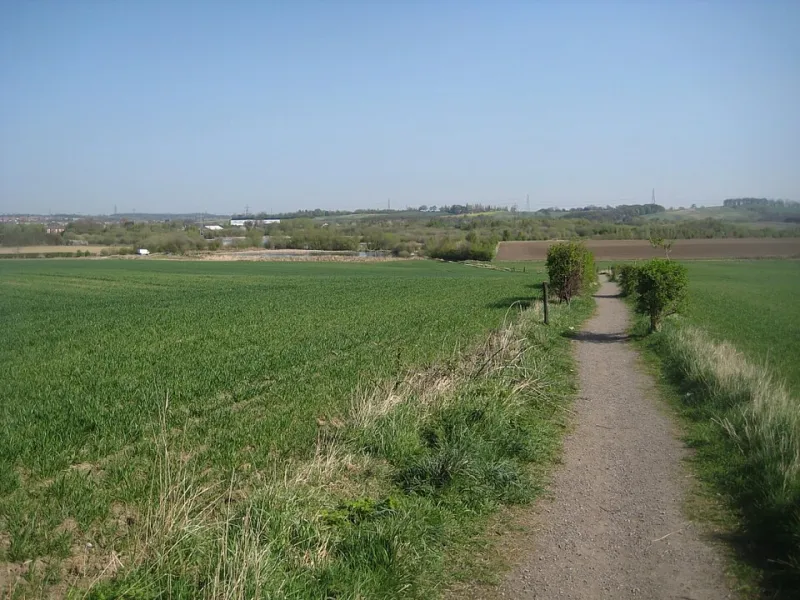
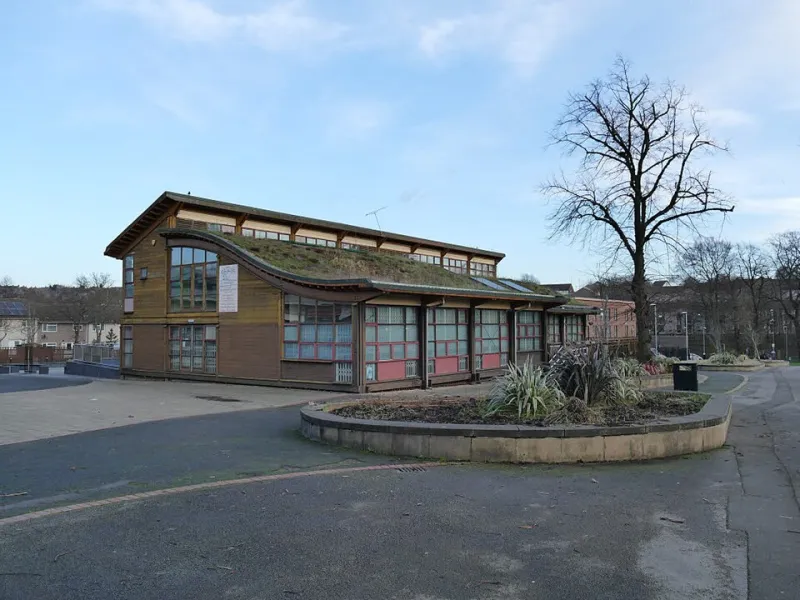
Photo: Shareef Sarhan, CC BY-SA 3.0 igo, via Wikimedia Commons
For many families relocating to King Hills, the question of schooling sits right at the heart of the property search. Before considering square footage, garden size, or proximity to the high street, parents of school-age children frequently ask the same fundamental question: which streets put us in the right catchment? It is a reasonable priority, and one that deserves a thorough answer.
This guide draws on publicly available Ofsted data, local authority admission records, and conversations with King Hills residents to offer a grounded picture of the educational landscape — and what it means for your choice of neighbourhood.
Understanding Catchment Zones in the King Hills Area
Catchment areas in England are not fixed in stone. Local authorities use a combination of criteria — distance from school gates, sibling priority, and in some cases faith affiliation — to determine admissions each year. In practice, this means that the catchment boundary for a popular primary school can shift by several hundred metres between one academic year and the next, depending on how many applications are received.
Families moving to King Hills should not assume that living on a particular street guarantees a place at the nearest school. The safest approach is to contact the local authority admissions team directly and request the previous year's furthest distance offered for each school of interest. Estate agents operating in the area are often familiar with these figures, though it is always advisable to verify independently.
Primary Schools: What the Neighbourhood Offers
King Hills benefits from a cluster of primary schools that serve different parts of the community, ranging from smaller village-style settings to larger urban schools with more varied intake profiles. Ofsted judgements across the area have been broadly positive in recent inspection cycles, with several schools holding 'Good' ratings and at least one maintaining an 'Outstanding' designation.
Parents who have settled in the area frequently highlight the sense of community that smaller primaries can offer. One resident who moved to the northern end of King Hills three years ago noted that the school her children attend feels like an extension of the neighbourhood itself: "You see the same families at the school gate, at the park, at the local shops. It makes settling in much easier."
For families prioritising academic attainment at Key Stage 2, it is worth consulting the Department for Education's school performance tables, which are updated annually. These provide standardised data on reading, writing, and mathematics outcomes, allowing for meaningful comparison between institutions. That said, raw results should be considered alongside broader factors such as pupil wellbeing, staff retention, and extracurricular provision.
Secondary Education: Mapping the Transition
The transition to secondary school introduces an additional layer of complexity for King Hills families. Depending on which part of the area you live in, your children may be allocated to different secondary schools, some of which may involve a commute across town or beyond the immediate neighbourhood.
Secondary schools serving King Hills and its surrounding catchments have shown varied performance trends in recent GCSE results. Several have demonstrated consistent improvement over the past three years, a pattern that local education observers attribute partly to leadership stability and partly to targeted investment in pastoral support. Progress 8 scores — the government's preferred measure of secondary school effectiveness — offer a useful lens through which to assess how well a school supports pupils of different starting abilities.
Sixth form provision is another consideration for families thinking ahead. Some King Hills secondaries offer on-site sixth forms, while others have established partnerships with nearby colleges. For parents of younger children, this may seem a distant concern, but it is worth factoring in for those planning to remain in the area long term.
Faith Schools and Selective Options
A small number of faith-designated schools serve the wider King Hills area, admitting pupils on the basis of religious affiliation as well as distance. Families for whom this is a priority should contact individual schools directly regarding their admissions criteria, as requirements vary and can include evidence of regular worship attendance.
Selective grammar school provision is limited in this part of the country, though some families do consider independent schools as an alternative. The presence of independent preparatory and senior schools within reasonable travelling distance of King Hills may be a relevant factor for certain buyers, particularly those moving from areas where selective education is more prevalent.
Practical Steps Before You Buy
If school catchments are a material factor in your property decision, the following steps are strongly recommended before exchanging contracts:
- Request the admissions data for your preferred schools from the local authority, specifically the furthest distance offered in the most recent academic year.
- Visit the schools during term time if possible. Ofsted reports provide a useful starting point, but a visit gives a more immediate sense of school culture and ethos.
- Speak to local parents. Community groups, local social media forums, and the King Hills Community noticeboard can connect you with families who have direct, recent experience of the admissions process.
- Check for planned changes. Schools can be subject to academy conversion, federation arrangements, or changes in leadership that may affect their character. Local authority websites and the Department for Education's Get Information About Schools database are reliable sources.
- Consider future siblings. If you have younger children, bear in mind that sibling priority policies may affect your options down the line — in both directions.
The Broader Picture
It would be reductive to evaluate a neighbourhood solely through the lens of school performance tables. King Hills offers a living environment that extends well beyond examination results, and families consistently report that the area's strong community ties, accessible green spaces, and relatively low crime rates contribute significantly to their children's overall wellbeing.
Nevertheless, education is understandably one of the most significant factors in any family's relocation decision. By approaching the question methodically — cross-referencing catchment data with Ofsted judgements, speaking to current residents, and taking professional advice from local letting or estate agents — families can arrive in King Hills with confidence that their children's educational needs have been thoughtfully considered.
The right home and the right school are rarely found by chance. In King Hills, however, the foundations for both are firmly in place.