Plugged In and Properly Prepared: EV Ownership and King Hills Homes
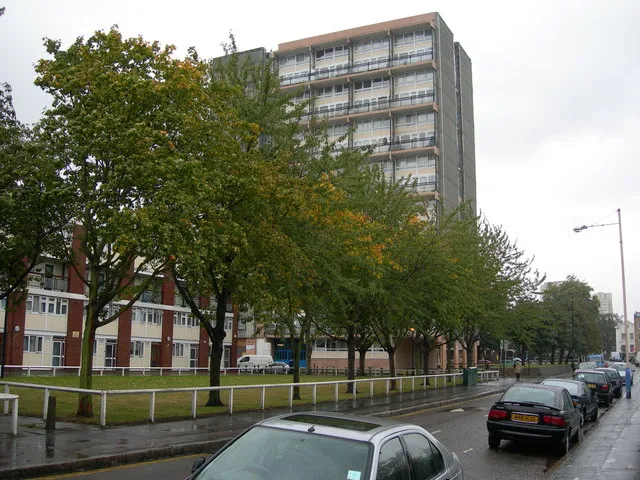
Photo: Danny Robinson, CC BY-SA 2.0, via Wikimedia Commons
Electric vehicle ownership has moved from early-adopter curiosity to a mainstream consideration in King Hills. In 2026, buyers increasingly ask not only about schools and transport but also where they would charge. The answer depends less on the car than on the property. A driveway, a terraced street and a converted flat each present a different set of practical, legal and financial questions.
Why EV readiness affects buyer demand
Off-street parking has long been a selling point in King Hills, but charging capability is now part of that calculation. A house with a driveway and a well-installed charge point can appeal to buyers who run an electric car or expect to do so. A flat with communal parking may still work if the management company has allowed a shared or dedicated charger. A terraced home without off-street parking may rely entirely on public infrastructure. EV readiness is not yet a universal premium, but it is increasingly a differentiator in the buyer's mind.
Off-street charging: the simplest route
For houses with a driveway or garage, home charging is usually straightforward. A dedicated wallbox rated at around 7kW can recharge most cars overnight. The important checks are electrical capacity, the location of the meter, the cable route and the condition of the existing supply. Use a qualified installer who can assess earthing and load management. If the property is rented, leasehold or in a conservation area, obtain the necessary permissions before work begins. Grant schemes have changed over time, so check current eligibility rather than relying on older assumptions. A smart charger and an off-peak tariff can reduce running costs, but the tariff should be chosen alongside the charging pattern.
On-street charging and permit schemes
For households without off-street parking, public charging is the practical alternative. King Hills has seen more lamp-post chargers, public hubs and rapid charging points appear, and local permit schemes can sometimes give residents priority. Availability is not uniform, and a charger shown on a map may be occupied, out of service or subject to parking restrictions. Buyers should test the realistic walking distance and the reliability of nearby points before assuming that on-street charging will suit a daily routine. Trailing a cable across a pavement is unsafe, may breach highway rules and is not a substitute for proper infrastructure.
Flats and terraced homes: practical realities
Flats bring additional layers. Communal parking may be owned by the freeholder or management company, and a charger may require a lease variation, a wayleave or a dedicated supply. Billing can be complicated if the electricity passes through communal meters. Fire safety, cable routing and access for maintenance all need consideration. Terraced homes without a driveway face a simpler but stricter position: unless a safe, lawful connection can be made within the property boundary, public charging is likely to be the main option. Local charging hubs and workplace charging can fill the gap, but they require a change of habit.
A buyer's checklist
Before buying, establish what parking rights come with the property. Check the title or lease for allocated spaces, shared driveways and any restrictions on charging equipment. Ask about the age and capacity of the electrical supply, the meter location and whether previous owners installed a charger. If a charger exists, ask for the installation certificate, warranty and any permissions. Look at the practical cable route and whether it crosses a neighbour's land. Finally, check the nearest public charging points and consider how often you would rely on them. A property that works for one household's weekly mileage may not work for another's.
A seller's checklist
Sellers should document rather than overstate. If a charger is installed, provide the paperwork and explain the tariff and equipment. If there is no charger but the property has suitable parking, describe the potential without making promises about planning or electrical capacity. Clear information reduces buyer uncertainty and helps a sale progress. In a market where buyers are already cautious about running costs, evidence of a sensible installation is more persuasive than a marketing slogan.
The community dimension
EV readiness is not only an individual property issue. It is part of local infrastructure. Residential streets, conservation areas and apartment blocks all need workable solutions, and the pace of installation varies. For King Hills, the opportunity is to plan charging alongside parking policy, street design and building management rather than treating it as an afterthought. For individual owners, the sensible approach is to future-proof where possible: consider a dedicated supply, a safe cable route and clear permissions before the need becomes urgent. A home that can accommodate an electric car is likely to feel more flexible to the next buyer, even if that buyer has not yet made the switch.