Charming but Costly: The Real Price of Owning a Period Property in King Hills
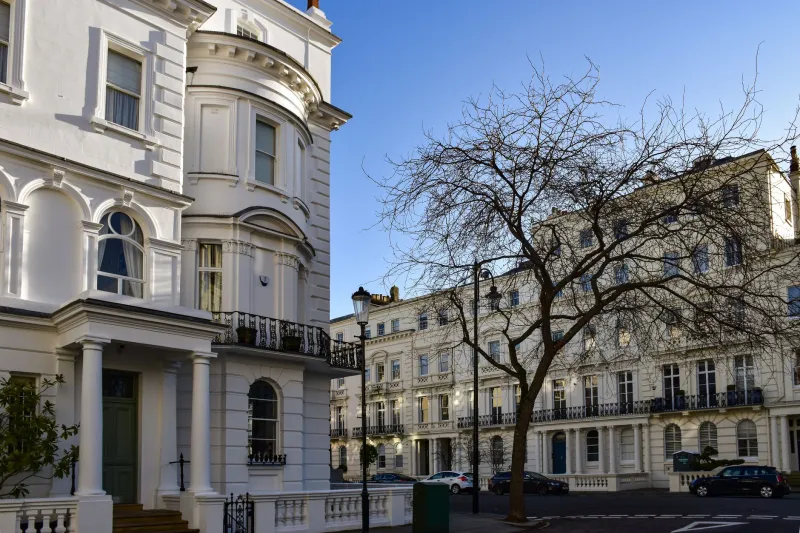
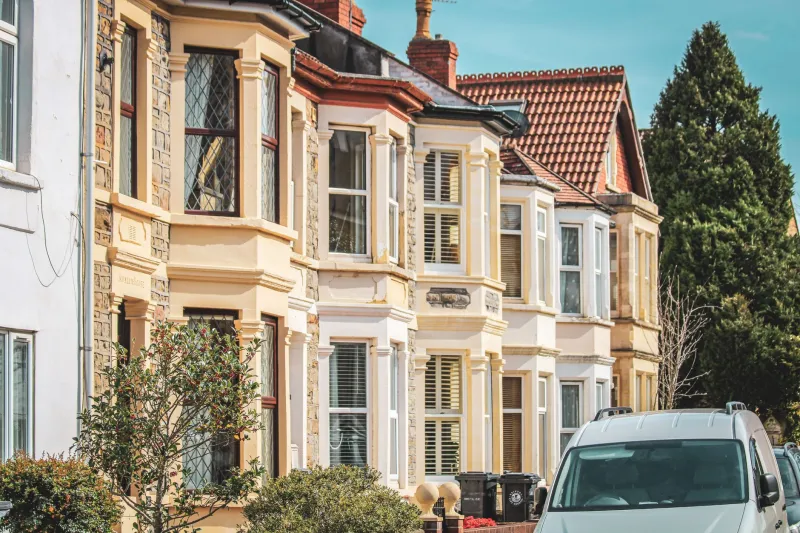
There is a particular kind of pride that comes with owning a home whose bones were laid down a century or more ago. In King Hills, that pride is well founded. The area's Victorian terraces, Edwardian semis, and interwar villas contribute enormously to its visual identity — and, as many valuations confirm, to its market premium. Yet beneath the handsome facades and characterful interiors lies a financial reality that is rarely discussed in estate agents' particulars. Maintaining period features is not simply a matter of sentiment; it is a sustained, often expensive commitment that demands careful budgeting from the outset.
This article sets out to give prospective buyers and current homeowners in King Hills a clear-eyed account of what that commitment involves — not to discourage ownership of older properties, but to ensure that those who choose them do so with an accurate picture of the true costs involved.
Why Period Properties Demand a Different Financial Mindset
Modern new-build homes are engineered, to a considerable extent, for low maintenance. Materials are standardised, components are replaceable, and construction methods are designed with ease of repair in mind. Period properties operate on an entirely different logic. They were built using techniques and materials that are no longer in routine production, by craftspeople whose skills are increasingly rare. When something goes wrong — or simply wears out, as everything eventually does — the cost of faithful repair rather than modern substitution can be substantially higher.
This distinction matters greatly in King Hills, where planning sensitivities and the expectations of the community mean that sympathetic restoration is not merely a personal preference but, in many cases, a practical necessity. Replacing an original feature with a cheaper modern equivalent may save money in the short term but can affect a property's character, its listing status where applicable, and ultimately its resale appeal.
Sash Windows: Beauty at a Premium
Few features are more synonymous with King Hills' older housing stock than the traditional sash window. Elegant, historically authentic, and deeply sought after by buyers, they are also among the most demanding elements of a period home to maintain.
Draught-proofing a single sash window through a specialist joinery firm typically costs between £150 and £300 per window. Full restoration — addressing rot, rebalancing weights, replacing glazing bars, and repainting — can run to £600–£1,200 per window or more, depending on size and condition. In a Victorian terrace with ten or twelve windows, the cumulative figure becomes significant before any other work is considered.
Replacement with period-appropriate double-glazed sash units, rather than standard UPVC alternatives, carries a premium of its own: expect to pay £800–£1,500 per window installed, compared with £300–£600 for a modern equivalent. In conservation-sensitive areas, the latter option may not be permissible regardless of cost.
Roofing: When Original Materials Are Non-Negotiable
Many King Hills properties retain their original clay or natural slate roofing, and rightly so — these materials are durable, attractive, and entirely in keeping with the surrounding streetscape. However, when repairs or partial replacement become necessary, sourcing matching materials is both time-consuming and expensive.
Natural Welsh slate, for instance, costs considerably more per square metre than concrete alternatives, and the skilled labour required to work with it commands a corresponding premium. A partial re-roof using reclaimed matching slate on a typical semi-detached property might cost £4,000–£8,000 where a modern tile replacement might cost half as much. For full re-roofing, budgets of £12,000–£20,000 are not uncommon for larger period homes.
Chimneys, which are abundant in King Hills' Victorian and Edwardian stock, add further complexity. Repointing, repairing or replacing chimney pots, and lining flues for use with wood-burning stoves all require specialist attention. A chimney survey alone may cost £100–£200, and remedial works can escalate quickly depending on findings.
Decorative Plasterwork: Irreplaceable and Expensive to Restore
Original cornicing, ceiling roses, dado rails, and decorative mouldings are among the most visually striking features of King Hills' period interiors. They are also among the most costly to repair faithfully when damaged.
Specialist fibrous plaster restorers — tradespeople who can match original profiles and textures — are in limited supply. Day rates for such craftspeople frequently exceed £350–£500, and a single room's worth of cornice repair, including matching and blending, can take several days. Bespoke replacement sections cast to match an original profile may cost £80–£150 per metre when supplied and fitted.
Many homeowners, faced with these figures, opt for GRP (glass reinforced plastic) or polyurethane reproductions. These can be acceptable in certain contexts, but discerning buyers and conservation officers may notice the difference, and the cost saving must be weighed against the potential impact on authenticity and value.
Damp, Lime, and the Perils of Inappropriate Repairs
Older properties were designed to breathe. Their solid walls, lime mortars, and permeable renders allow moisture to move through the structure rather than becoming trapped. When well-intentioned but uninformed owners or previous tradespeople have applied modern cement renders, impermeable paints, or chemical damp-proof injections to a period property, the results can be damaging and expensive to reverse.
In King Hills, it is not unusual to encounter homes where past interventions have created the very problems they were intended to solve. Correcting inappropriate repairs — stripping cement render, repointing with lime, allowing walls to dry out properly — requires both specialist knowledge and patience. Costs vary widely, but a thorough lime repointing programme for an exposed Victorian elevation might run to £3,000–£6,000 for a modest-sized property.
Buyers should always commission a full structural survey, preferably from a surveyor with specific experience in older properties, before proceeding. A standard mortgage valuation will not uncover these issues.
Budgeting Realistically: What Owners Should Set Aside
The conventional advice to set aside one to two per cent of a property's value annually for maintenance is a reasonable starting point for modern homes. For period properties in King Hills, a figure closer to two to three per cent is a more realistic baseline — and in years when major works are required, actual expenditure may exceed even that.
A useful approach is to commission a maintenance schedule from a building surveyor shortly after purchase. This document, which identifies likely works and their approximate timing, allows owners to plan ahead rather than react to emergencies. Emergency repairs are invariably more expensive than planned ones, and older buildings have a particular tendency to reveal problems at inconvenient moments.
It is also worth investigating whether any grant funding or tax relief is available for heritage repairs. Whilst provision has diminished in recent years, certain listed properties and those within conservation areas may qualify for support through Historic England or local authority schemes. Your solicitor or a specialist heritage consultant can advise on eligibility.
The Informed Owner Is the Prepared Owner
None of this is intended to suggest that owning a period property in King Hills is an imprudent choice. Quite the contrary — these homes offer a quality of character, craftsmanship, and long-term value that newer properties rarely match. The King Hills community is, in many ways, defined by the care its residents take in preserving what makes the area distinctive.
But informed ownership is better ownership. Understanding the true costs of maintaining period features — before signing contracts rather than after — allows buyers to negotiate appropriately, budget sensibly, and approach their new home with the respect its history deserves. For those who go in with open eyes, the rewards are considerable. For those who do not, the surprises can be both costly and dispiriting.
If you are considering a period property purchase in King Hills, or are seeking guidance on managing the upkeep of an existing home, the King Hills Community resource pages offer further signposting to local specialists, planning guidance, and practical advice for every stage of ownership.